
Vegetarian in Italy: how to eat well without meat
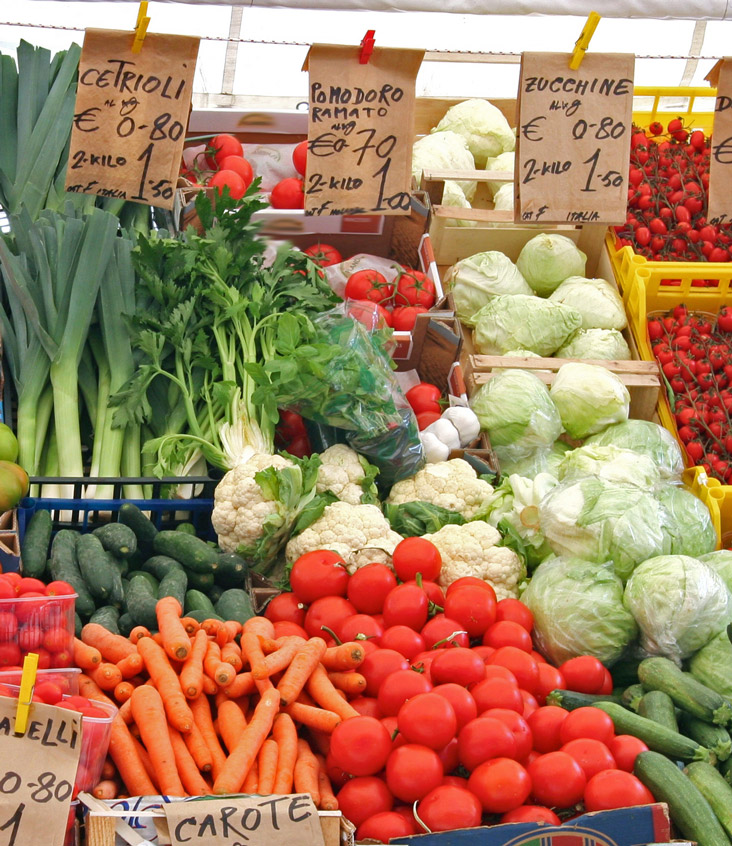 Think of Italian food and you may picture prosciutto hanging in a deli, a sizzling bistecca alla fiorentina, or a plate of spaghetti and meatballs (which, by the way, you’ll struggle to find anywhere in Italy). But day to day, Italians have always eaten mostly vegetables, beans, grains and bread, with meat kept for Sundays and holidays. For a vegetarian, that makes Italy one of the easiest and most delicious places in the world to travel. And if you’re simply trying to eat less meat, there’s no better place to discover how good that can taste.
How many Italians are vegetarian?
Fewer than you might think, but more than there used to be. According to the latest Rapporto Italia by the research institute Eurispes, published in 2026, 5.3% of Italian adults describe themselves as vegetarian and 3.2% as vegan: together, more than five million people. Vegetarians actually dipped a little over the past year, while vegans reached their highest share ever, more than five times the figure of 2014.
The bigger change is happening among everyone else. Nearly a quarter of Italians say they are deliberately eating less meat without giving it up altogether, and one in five say they would consider going vegetarian if they felt they could stick with it. You can see it in the supermarkets, where oat milk and plant-based burgers now sit happily a few steps from the prosciutto counter.
Plant-based long before it was trendy
Much of Tuscan cooking comes from cucina povera, the “poor kitchen” of farming families who had plenty of vegetables, beans, olive oil and stale bread, and very little meat. Out of necessity they invented some of Italy’s most loved dishes: pappa al pomodoro, a thick soup of tomatoes, bread and basil; pasta e ceci, pasta and chickpeas scented with rosemary; and white beans slowly cooked with sage and tomato. Tuscans eat so many beans that the rest of Italy calls them mangiafagioli, “bean eaters”.
Add the Italian devotion to seasonal produce and you have a kitchen that is never boring: artichokes and fava beans in spring, eggplant, peppers and tomatoes in summer, porcini, squash and chestnuts in the fall, cavolo nero and cauliflower in winter.
How to order as a vegetarian
The structure of an Italian menu works in your favor. Antipasti (starters) often include crostini, grilled vegetables, cheeses and bruschetta. Most primi (first courses of pasta, risotto or soup) are meat-free, or come in a meat-free version. The secondi (main courses) are mostly meat or fish, but that’s where the contorni come in: side dishes of vegetables, beans or salad, which you can order on their own. A primo with a couple of contorni makes a perfect meal, and nobody will find it odd.
Pizza is always an easy option: a margherita is vegetarian, and a marinara (tomato, garlic and oregano, no cheese) is vegan.
A few Tuscan dishes to look out for:
- Gnudi: “naked” ravioli, soft dumplings of ricotta and spinach without the pasta wrapping.
- Pici all’aglione: thick hand-rolled pasta with a garlicky tomato sauce, a specialty of southern Tuscany.
- Panzanella: a summer salad of bread, tomatoes, cucumber, red onion and basil.
- Minestrone with cavolo nero and other bean and vegetable soups, especially in the cooler months.
- Mushroom crostini in the fall, and bean crostini all year round.
- Torta della nonna, the custard pie that ends many Tuscan Sunday lunches.
Watch out for hidden meat
A few things can catch vegetarians out, even in dishes that sound harmless:
- Broth. Risotto and some soups are often made with meat or chicken broth (brodo).
- Cured pork. Pancetta and guanciale turn up in many sauces, and a Tuscan ribollita is sometimes started with a little pancetta or a piece of prosciutto rind.
- Crostini toscani. The classic Tuscan crostini, sometimes called crostini neri, are topped with chicken liver pâté.
- Anchovies. They melt invisibly into some sauces and into the green sauce called salsa verde.
- Cheese. Parmigiano Reggiano, Grana Padano and most traditional pecorino are made with animal rennet. If that matters to you, ask: many shops now sell vegetarian hard cheeses.
- Ham. To some older Italians, a little prosciutto doesn’t really count as meat. Better to be specific!
A few words of Italian go a long way:
- Sono vegetariano (if you’re a man) or vegetariana (if you’re a woman): I’m vegetarian.
- Sono vegano / vegana: I’m vegan.
- Non mangio carne né pesce: I don’t eat meat or fish.
- C’è carne o pesce?: Is there meat or fish in it?
- È fatto con brodo di carne?: Is it made with meat broth?
- Senza formaggio, per favore: Without cheese, please.
And if you’re vegan?
Italy is a little harder for vegans, mostly because cheese and eggs are everywhere: fresh pasta is often made with eggs, and Parmigiano gets grated over almost anything. But many traditional dishes are vegan by nature, such as pasta e ceci, minestrone, bean soups, pomarola tomato sauce, pappa al pomodoro, focaccia and marinara pizza. Ordinary dried pasta is normally made with just durum wheat and water. In the cities, vegan restaurants and menus marking dishes as vegano are more and more common, and most cafés now offer soy milk, and often oat milk, for your cappuccino (before lunch, of course: here are our coffee dos and don’ts).
Vegetarians at Organic Tuscany
We do cook meat, but our meals reflect the Italian way of eating, so they are largely plant-based. During the week, everyone cooks the vegetarian first courses, side dishes and desserts together. When the meat-eaters prepare a meat main course, the vegetarians make a vegetarian one. This works best if you’re comfortable with other people cooking and eating meat around you. If you have any other dietary needs, just ask us: you’ll find more details in our FAQ.
And if you’d like to start cooking the Italian vegetarian way at home, our online cookbook has dozens of vegetarian recipes, many of them also vegan. Try the baked butternut squash gnocchi, the slow-cooked green beans or the eggplant parmigiana, and you may even win over the meat-and-potatoes lovers in your family. Buon appetito!
Figures on vegetarians and vegans in Italy come from Eurispes, Rapporto Italia 2026.
Vegetarian recipes from our cookbook

Ricciarelli: soft Sienese almond cookies for Christmas – Organic Tuscany Cookbook
Ricciarelli, the soft, chewy almond cookies from Siena, dusted with powdered sugar. A traditional Tuscan Christmas treat, explained step by step.
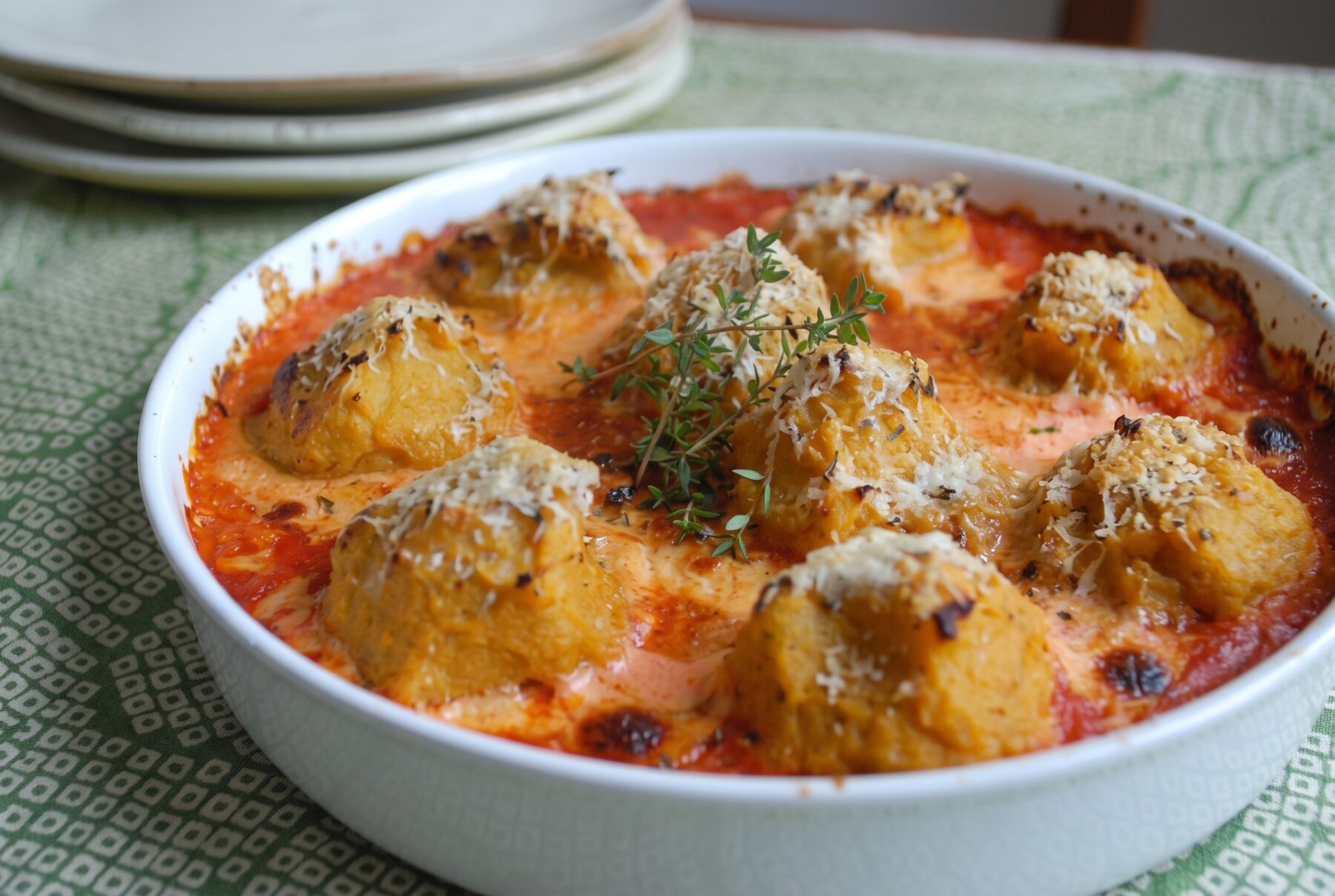
Baked butternut squash gnocchi in tomato sauce – Organic Tuscany Cookbook
Baked butternut squash gnocchi: creamy squash dumplings in tomato sauce, topped with Parmesan and baked until golden. A cozy vegetarian fall dish.
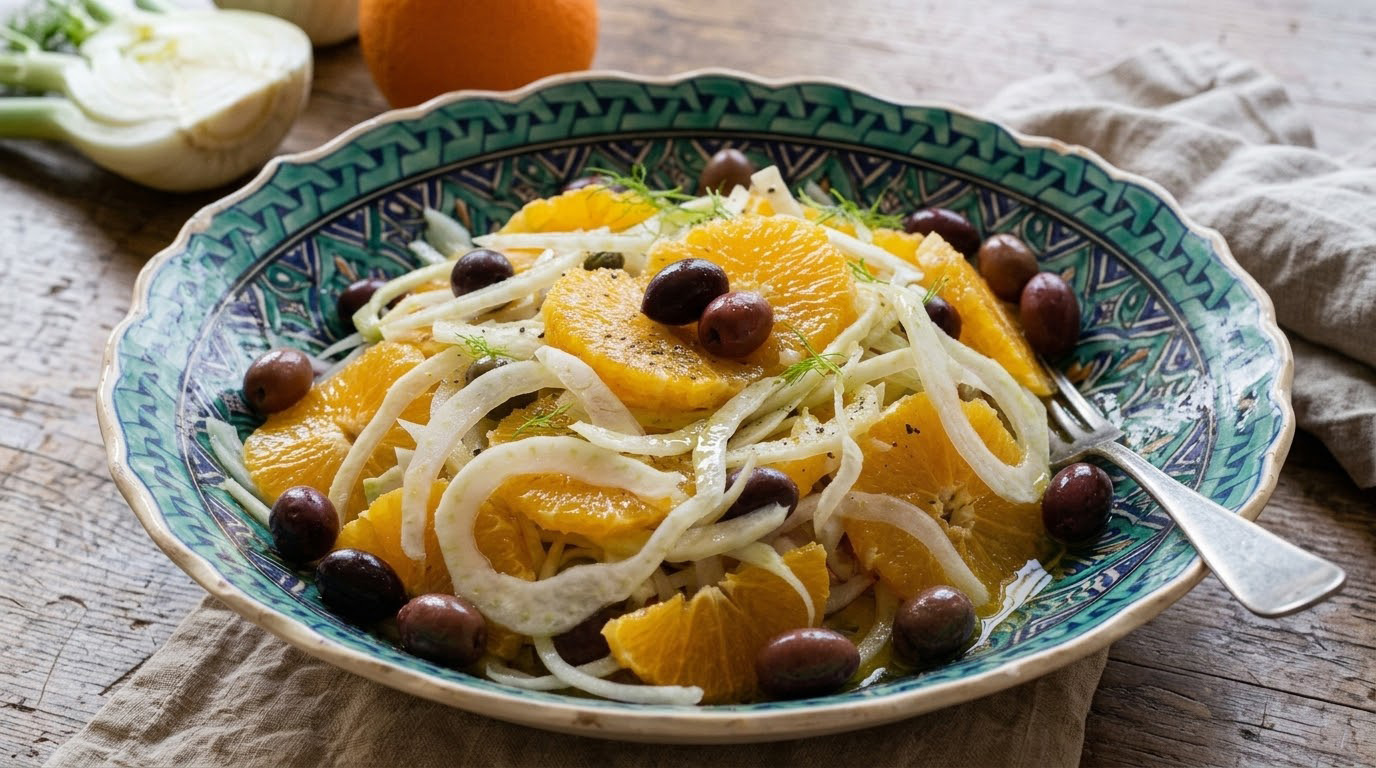
Sicilian orange and fennel salad with black olives – Organic Tuscany Cookbook
Sicilian orange and fennel salad: juicy orange slices, shaved fennel and black olives dressed with olive oil and salt. The most refreshing winter salad.
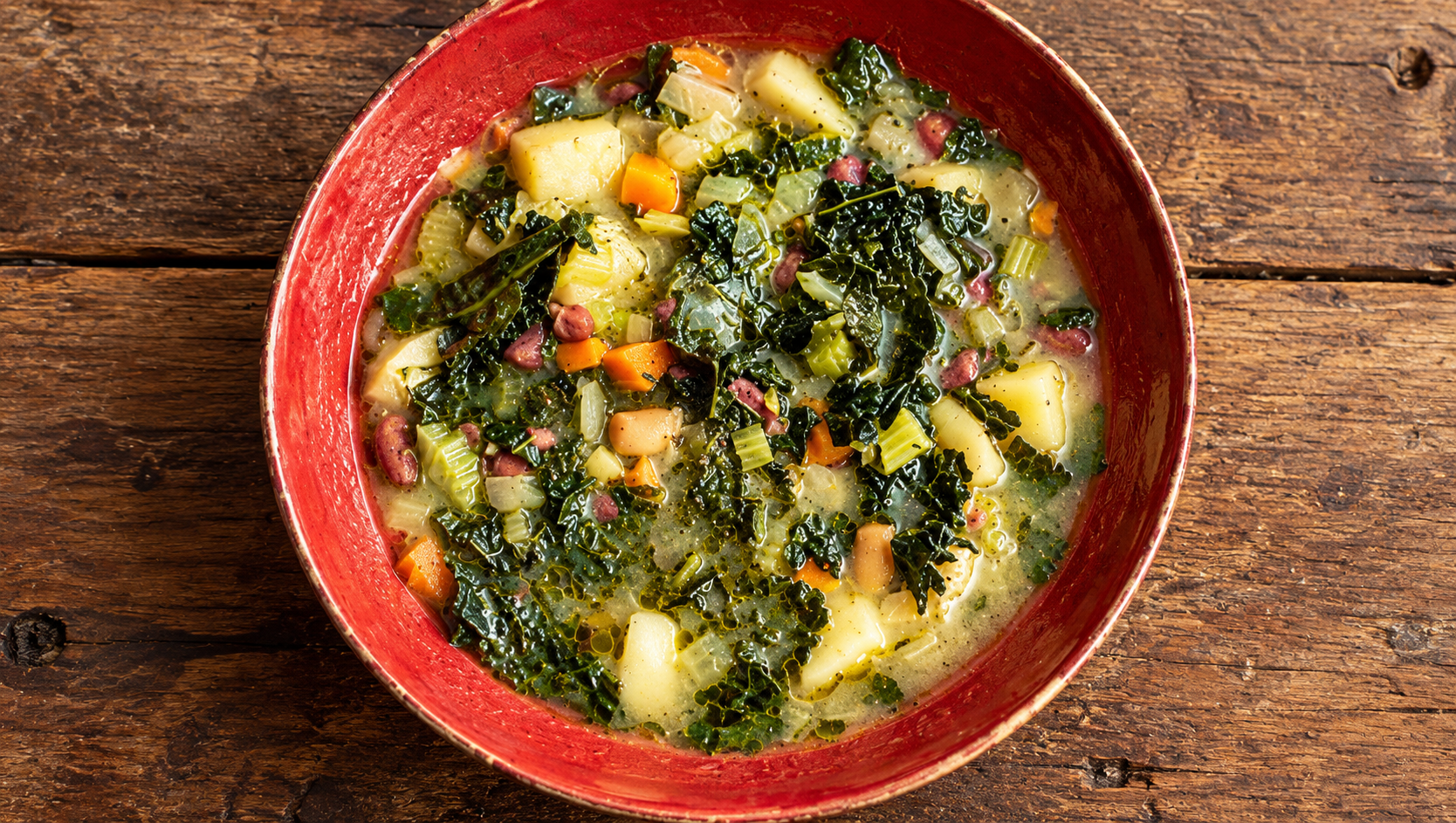
Tuscan minestrone with cavolo nero and beans – Organic Tuscany Cookbook
Tuscan minestrone with cavolo nero, savoy cabbage, leeks, potatoes and cannellini beans, half of them puréed to thicken the soup. Hearty, vegan and perfect for winter.
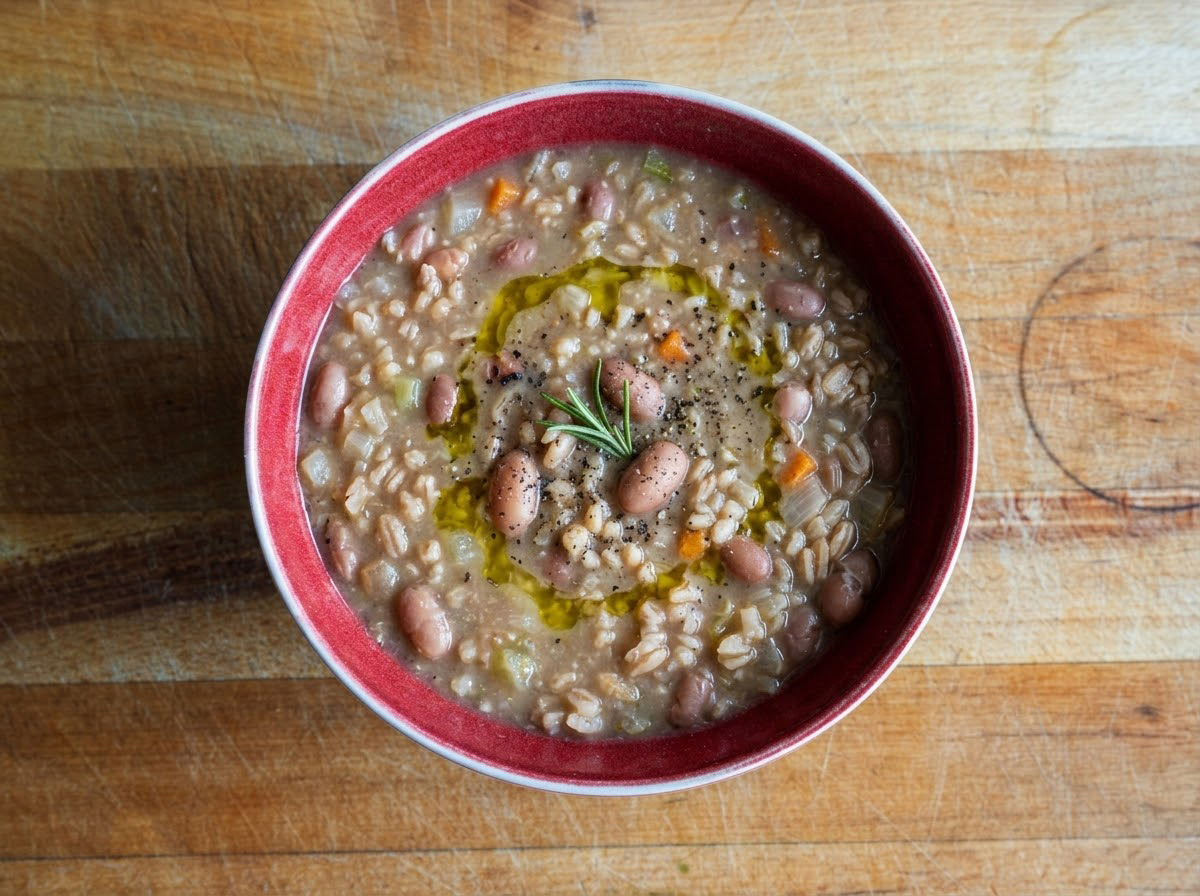
Tuscan bean and farro soup (zuppa di farro) – Organic Tuscany Cookbook
Tuscan bean and farro soup from Lucca: pearled farro, borlotti beans and olive oil simmered into a hearty, naturally vegan bowl. Ready in under an hour.
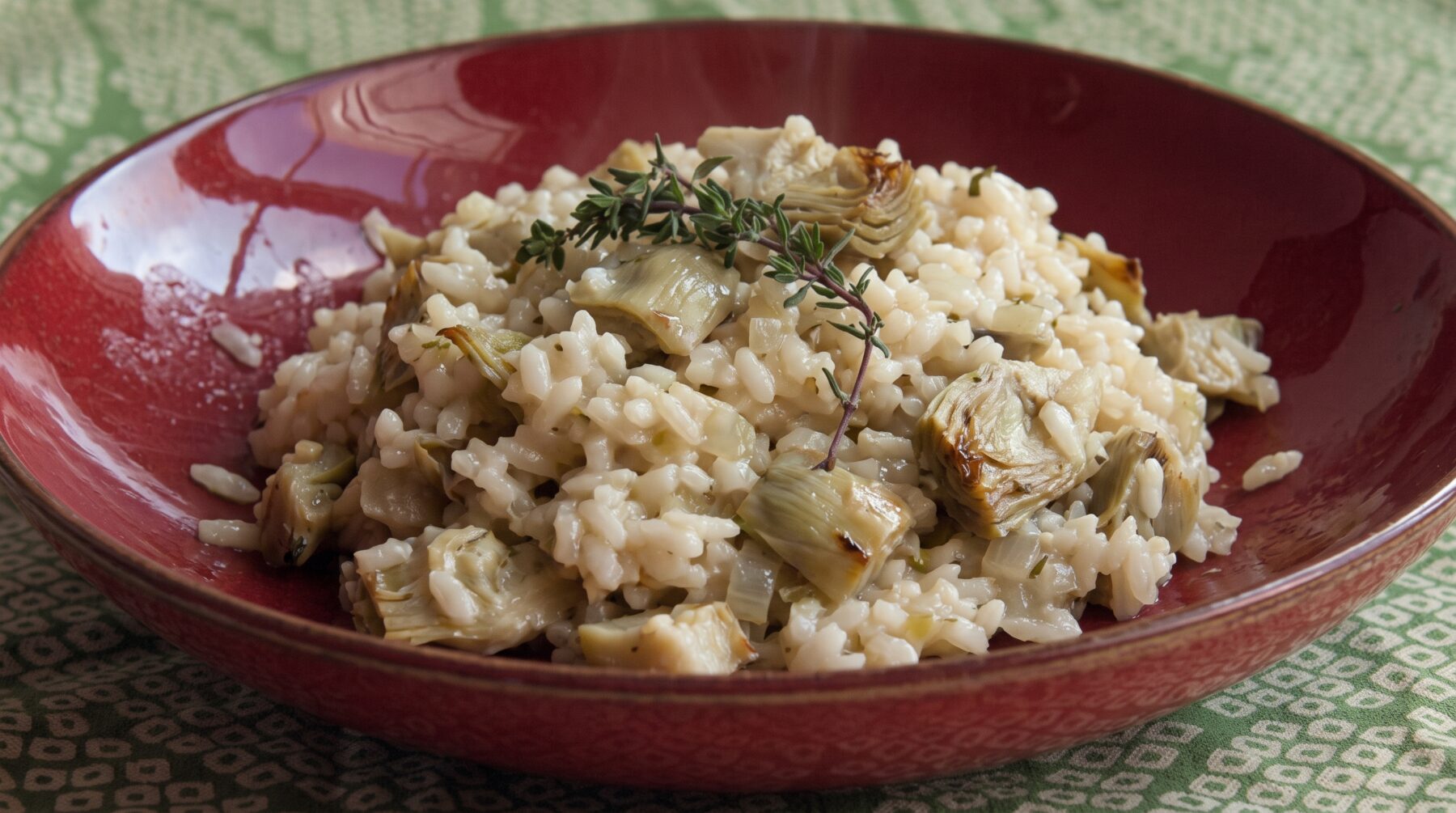
Artichoke risotto (risotto ai carciofi) – Organic Tuscany Cookbook
Creamy artichoke risotto with white wine and Parmesan, plus tips on choosing the right rice and swapping in other seasonal vegetables.
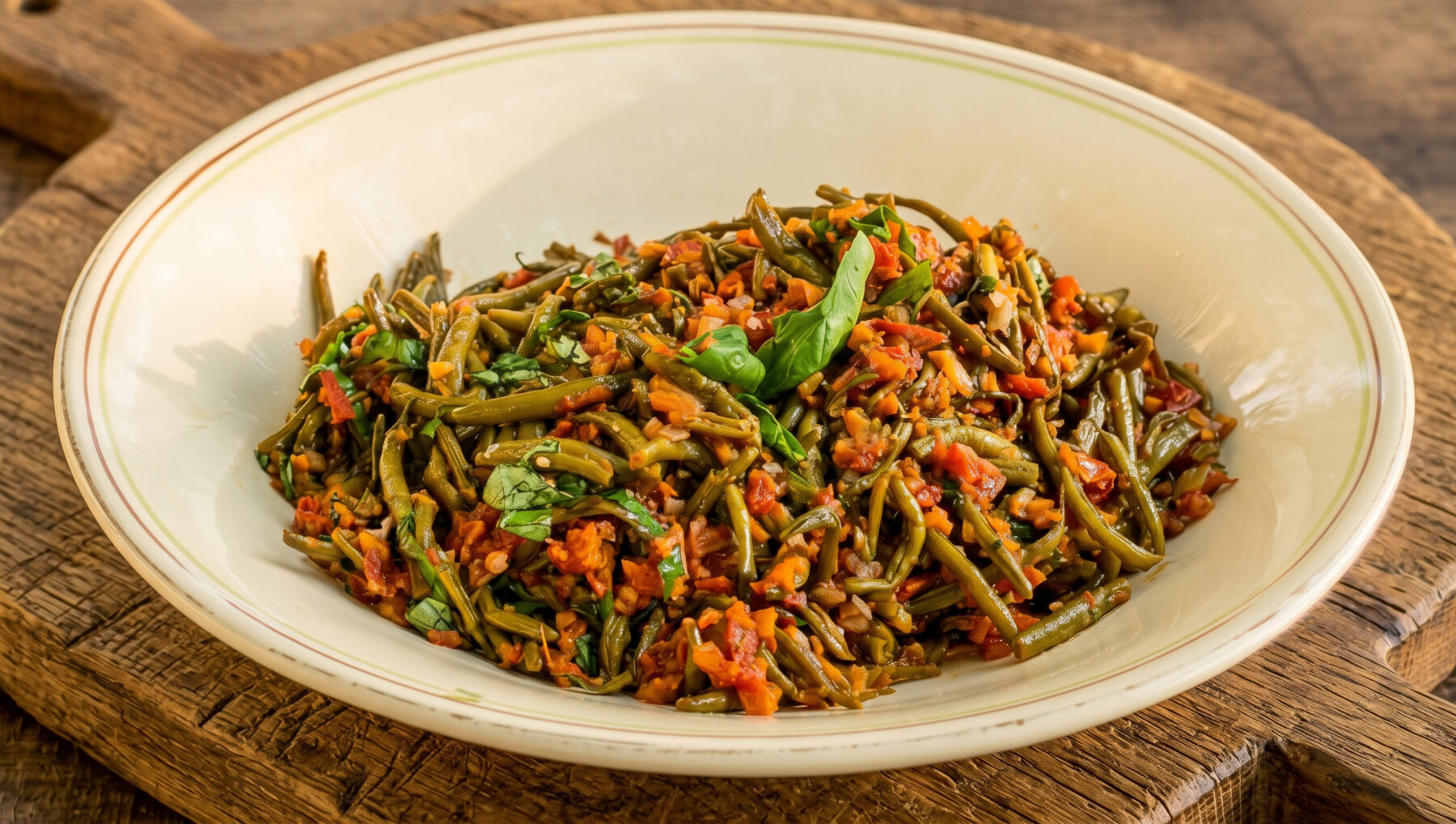
Tuscan slow-cooked green beans with tomato and basil – Organic Tuscany Cookbook
Tuscan slow-cooked green beans with tomatoes, carrot, onion, celery and basil, cooked until sweet and meltingly tender. A vegan side dish.
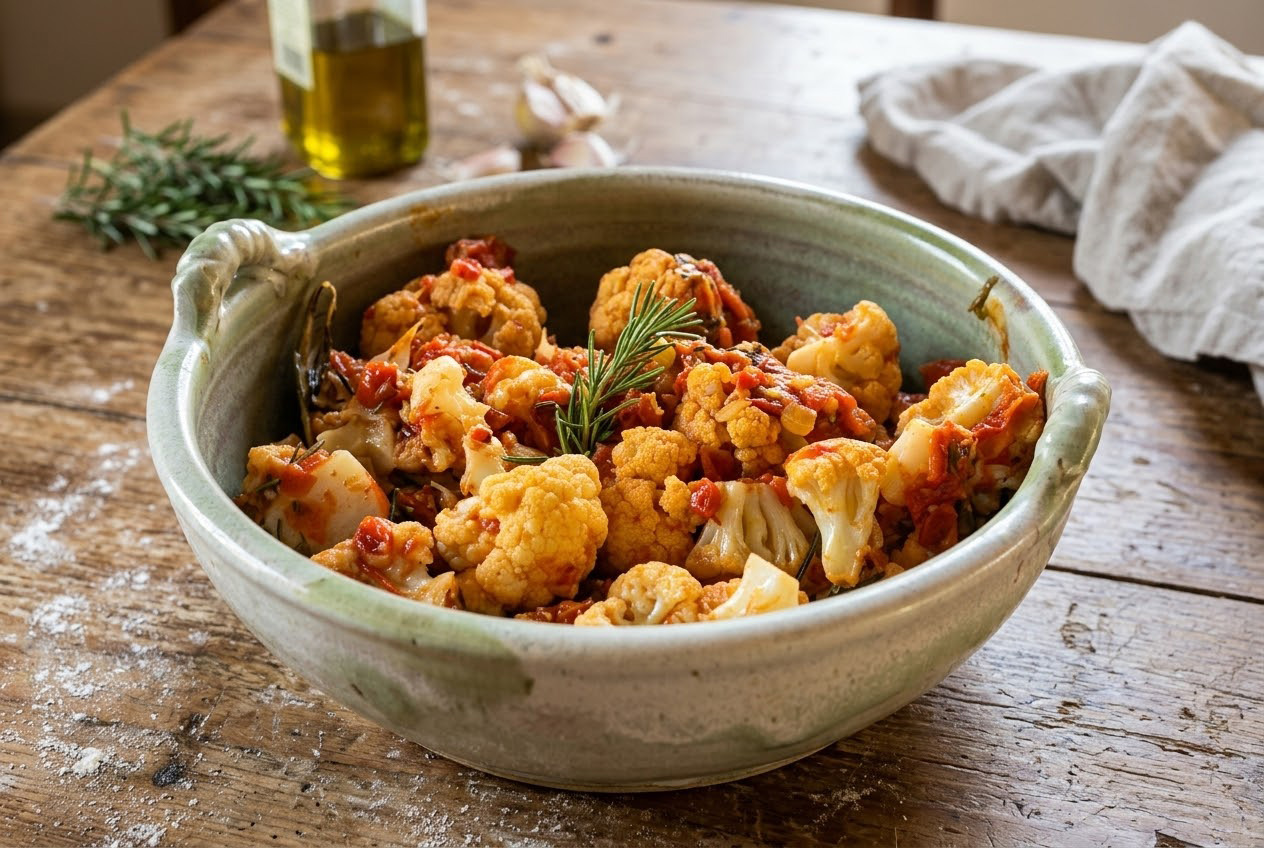
Tuscan cauliflower with tomato, rosemary and fennel seeds – Organic Tuscany Cookbook
Tuscan cauliflower braised with tomatoes, rosemary and fennel seeds until tender and caramelized. A vegan side dish that wins over cauliflower haters.

