Italians talk about food while eating food, then discuss what to eat tomorrow, so it’s no surprise the kitchen has leaked into everyday language. Here, wine settles arguments, cheese marks perfect timing, and an omelette means disaster.
Below is our pantry of favourite food sayings.
The wine cellar
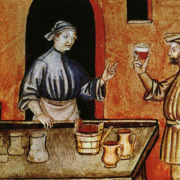
Chiedere all’oste se il vino è buono
You already know the answer: "Good? Of course, my wine is excellent!" There‘s no point asking someone with an obvious vested interest. Ask the innkeeper about his wine, the barber whether you need a haircut, or an estate agent whether it’s a good time to buy.

Aver la botte piena e la moglie ubriaca
The maths simply doesn‘t work. If the wine went into your wife, it’s no longer in the barrel. It means wanting two things that cancel each other out: the Italian version of having your cake and eating it.
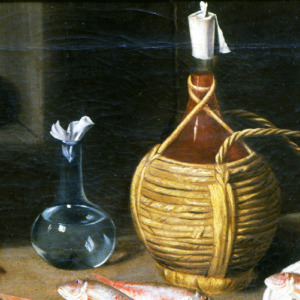
Levare il vino dai fiaschi
You cannot judge the quality of a wine while it is still sitting inside a straw-covered flask (fiasco). You only find out the truth once you pour it out and taste it. The saying means to stop beating around the bush and face the situation head-on.

Nella botte piccola c’è il vino buono
Size has nothing to do with quality. It is often affectionately used as a lighthearted compliment for a person of short height, meaning big personality or great talent fits inside a petite frame.
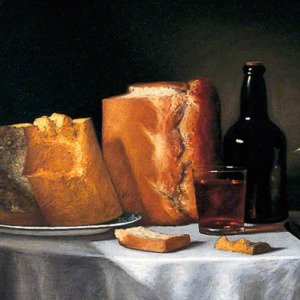
Dire pane al pane e vino al vino
To speak plainly, without dressing things up. The Italian way to call a spade a spade, and much tastier.
Daily bread (and soup)

Se non è zuppa è pan bagnato!
In Tuscany, soups are often made with bread soaked in vegetables and stock, like the traditional pappa la pomodoro and ribollita. The expression means that the two alternatives are equivalent or very similar and it doesn’t matter which one we choose. Similar to “six of one, half a dozen of the other”.

Tutto fa brodo
A carrot end, a parmesan rind, a forgotten celery stick: into the pot it goes. Every little bit helps, and nothing goes to waste.

Rendere pan per focaccia
Someone gives you plain bread, you hand back focaccia: richer, oilier, and with interest. It means paying someone back in kind, usually for a wrong. Tit for tat, Italian style.

Essere buono come il pane
The highest compliment there is. Bread is simple, honest and needed by everyone. A person who is "buono come il pane" is kind to the core.

O mangi questa minestra o salti dalla finestra
It means take it or leave it, and leaving it is not really an option.

Minestra riscaldata
Some dishes get better the next day. Old flames don’t. Getting back together with an ex is "minestra riscaldata": rarely as good the second time around.
Say cheese

Come il cacio sui maccheroni
Something that gives the perfect finishing touch. It can refer to a person that arrives or an event that happens at the right time, and brings something to completion or perfection.
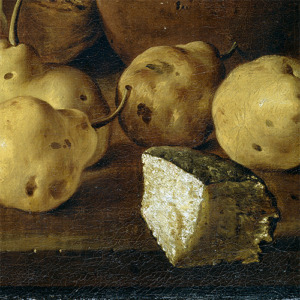
Al contadino non far sapere quant’è buono il cacio con le pere
Pecorino and pears: one of Italy‘s great pairings. Tell the farmer and he’ll double his prices. The lesson is to keep your cards close to your chest, because a secret given away can cost you. (Consider it shared with you in confidence.)
Eggs, hens and kitchen disasters

Gallina vecchia fa buon brodo
Any Italian nonna will tell you that a young chicken makes a thin broth. You need an old hen for real flavour. It means that age brings experience, wisdom, and value.
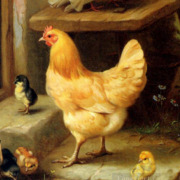
Mangiar l’uovo in corpo alla gallina
The egg hasn‘t been laid yet, and you’re already reaching for the frying pan. It means planning around something that may never happen. Don‘t count your chickens before they hatch, or your eggs before they’re laid.
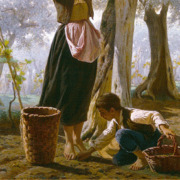
Rompere le uova nel paniere
You‘ve carefully collected the eggs, and someone knocks the basket over. It means ruining someone’s carefully laid plans. Pun absolutely intended.
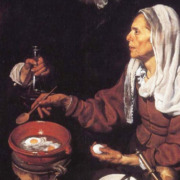
Fare una frittata
Drop the eggs on the floor, and you‘ve made a frittata, just not the kind you wanted. It means making a big mess, usually by accident. "Ho fatto una frittata!" is what you say when you’ve sent the email to the wrong person.

Cercare il pelo nell’uovo
The egg is perfect, but some people will inspect it until they find something wrong. It means nitpicking, splitting hairs, being impossible to please.
Rich pickings: lard, sausages and money

Nuotare nel lardo
For centuries, Tuscan farmers saw meat only on feast days, and even lard was a luxury. Having enough to swim in meant you were seriously rich. Today we’d say rolling in money.
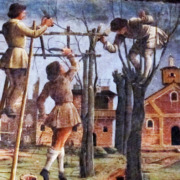
Legare la vigna con le salsicce
It means living lavishly, throwing money around for show, or pretending you‘re too rich to care. Use it when someone is putting on airs or spending like royalty on a commoner’s budget. It traces its roots back to Giovanni Boccaccio’s 14th-century Decameron. He dreamed up Bengodi, a mythical land of abundance where people used links of sausage instead of twine to tie up their grapevines.
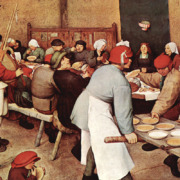
Far le nozze coi fichi secchi
You want a wedding fit for a prince, but the buffet is a bowl of dried figs. It means trying to do something big without the means for it, cutting corners until it shows.
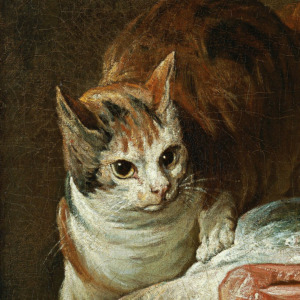
Comprare il lardo dal gatto
Good luck with that. The cat will never sell, because the cat loves lard far more than you do. It means asking for something from the one person who will never give it up.
From the orchard and the olive grove

Veder cascar le olive nel paniere
Anyone who has spent a November day on a ladder combing olives off the branches knows how much work the harvest is. Imagine they just dropped into the basket by themselves. It means getting a great result without lifting a finger.

Aver poco sale in zucca
Salt stands for wisdom, and "zucca" (pumpkin) is slang for head. Someone with little salt up there is a bit silly and short on common sense.
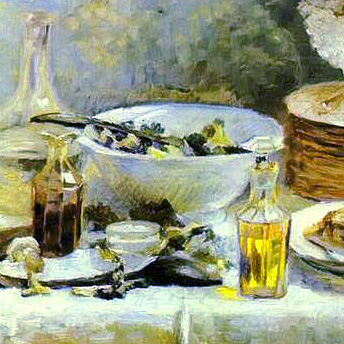
Mangiarsi qualcuno in insalata
Some opponents need a knife, fork and a long lunch. Others you finish off as easily as a side salad. It means beating someone effortlessly, in an argument or anything else.
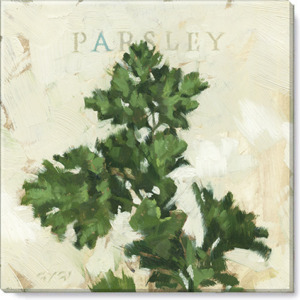
Essere come il prezzemolo
Parsley ends up in everything, and so do some people: every party, every conversation, every bit of gossip. Not always a compliment.
Essere alla frutta
In a traditional Italian meal, fruit arrives at the very end. Being "alla frutta" means you’ve reached the end of your rope: exhausted, out of ideas, done.
A few more for the road

Far l’acciuga in barile
A salted anchovy packed in a barrel with hundreds of others doesn‘t move and can’t be told apart. It means keeping your head down and saying nothing that might single you out. Very useful in family arguments.

Non si frigge mica con l’acqua
You can’t fry with water: you need good oil and plenty of it. When we do something, we do it properly. No half measures.

Avere il prosciutto sugli occhi
Slices of prosciutto make a delicious blindfold. It means failing to see what’s obvious to everyone else.
So next time you’re at a table in Italy, listen closely. Between the pecorino and the Vin Santo, you’re bound to hear at least one of these. And if you can drop one in yourself, at the right moment, it’ll be like cheese on macaroni. Buon appetito!